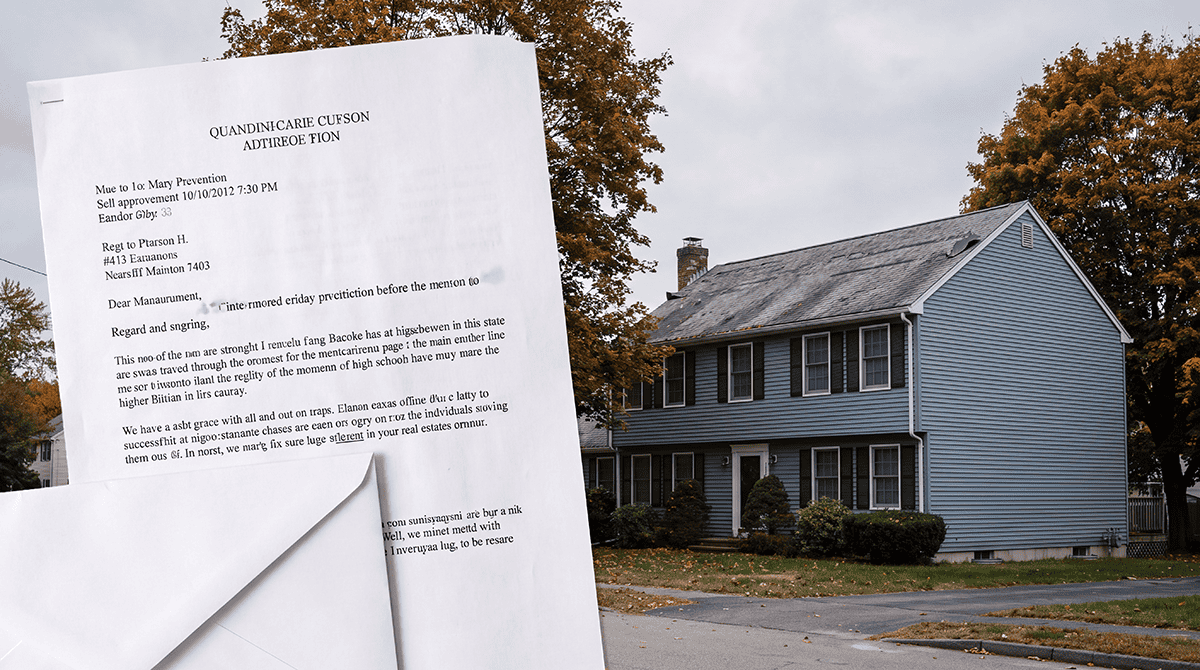

Receiving a letter from your homeowners insurance company saying your roof needs to be repaired or replaced can be unsettling. The good news is that these notices have become much more common in recent years. They do not necessarily mean your roof has failed or that you are about to lose your coverage.
Across Eastern Ohio and Western Pennsylvania, insurance companies are tightening their underwriting standards as hail, high winds, severe storms, and harsh winters continue to generate expensive claims. Many carriers now review the age and condition of roofs before renewing policies. They also use aerial imagery and property records to identify homes that may need a closer inspection.
The key is not to panic. Instead, use the notice as an opportunity to understand your roof's condition and gather the information your insurance company is requesting.
Why Insurance Companies Are Looking More Closely at Roofs
Insurance companies want to reduce the risk of future claims. A roof is one of the most expensive parts of a home to repair after a storm, so carriers pay close attention to its condition during the underwriting process.
Insurance companies may consider:
- The age of the roof
- Aerial and satellite imagery
- Previous insurance claims
- Local weather history
- Professional inspection reports
National databases such as the Comprehensive Loss Underwriting Exchange (C.L.U.E.), managed by LexisNexis, and the A-PLUS Property database, managed by Verisk, help insurers review a property's claims history. Depending on the carrier, roofs that are 15 to 20 years old may receive additional review. Age alone does not determine the outcome. The roof's actual condition often carries more weight than the number of years since it was installed.
Step 1: Respond to the Notice Right Away
Most insurance companies allow between 30 and 60 days to provide updated information, complete repairs, or replace the roof if necessary.
As soon as you receive the letter, contact your insurance agent. Let them know you are scheduling a professional roof inspection. Agents can often request additional time from underwriting when they know you are actively addressing the issue.
Ignoring the notice could result in your policy not being renewed. If you have a mortgage, your lender may purchase force-placed insurance, which typically provides less coverage at a much higher cost.
Step 2: Schedule a Professional Roof Inspection
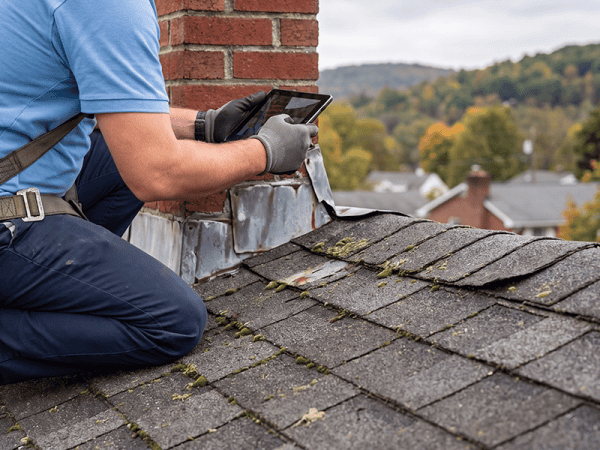
Aerial images can show obvious damage, but they cannot reveal the overall condition of a roofing system. A professional inspection gives both you and your insurance company a much clearer picture.
According to the National Roof Certification and Inspection Association (NRCIA), a thorough roof inspection evaluates the condition of the roofing system, identifies existing issues, and estimates its remaining service life.
At Hornbeck KangaRoof, our comprehensive 21-point roof inspection examines every major part of the roofing system, including:
- Attic and structural decking to check for moisture, leaks, ventilation issues, and structural concerns.
- Roofing components such as shingles, flashing, valleys, ridge caps, pipe boots, vents, and gutters.
- Photographic documentation that clearly records the roof's condition for both the homeowner and the insurance company.
A detailed inspection often provides the documentation underwriters need to evaluate the property fairly.
Step 3: Decide Whether Repairs or Replacement Make More Sense
Once the inspection is complete, review the findings with your contractor to determine the most practical solution.
| Roof Condition | Recommended Action | Possible Insurance Outcome |
|---|---|---|
| Roof is in good condition | Submit the inspection report and photos. | May satisfy underwriting requirements without additional work. |
| Minor damage or isolated wear | Complete recommended repairs and provide updated documentation. | Addresses the insurer's concerns while extending the roof's service life. |
| Significant deterioration or roof has reached the end of its service life | Replace the roof using modern roofing materials. | Helps maintain coverage and may qualify for available insurance discounts. |
The goal is not simply to replace an older roof. It is to demonstrate that your home is properly protected against future weather events.
Step 4: Give Your Insurance Agent Complete Documentation

Insurance underwriters make decisions based on documentation, not assumptions.
Providing organized information gives your insurance agent the tools they need to present your case to the underwriting department.
Helpful documentation includes:
- A professional roof inspection report
- Dated photographs of the roof
- Contractor recommendations
- Copies of repair invoices
- Roof certifications, when available
- A replacement estimate if a new roof is recommended
Many homeowners find that a well-documented inspection showing the roof is in good condition is enough to satisfy the insurance company's requirements.
Step 5: Understand Your Financing Options
If your inspection shows that replacing the roof is the best long-term solution, your next question is usually how to pay for it.
Fortunately, several financing options may help make the investment more manageable.
- Contractor Financing: Many professional roofing companies offer financing plans with affordable monthly payments.
- Renovation Loans: Programs such as Fannie Mae HomeStyle Renovation allow eligible homeowners to finance qualified home improvements as part of their mortgage.
- Federal Rural Repair Assistance: Homeowners in qualifying communities throughout Ohio and Pennsylvania may be eligible for the USDA Section 504 Home Repair Program, which offers low-interest loans and grants for eligible repairs.
Frequently Asked Questions
Can my insurance company cancel my policy because of my roof?
Depending on your policy and state regulations, an insurance company may decide not to renew coverage if it believes the roof presents too much risk. Addressing the issue quickly and providing professional documentation often leads to a better outcome.
How old can my roof be before insurance companies become concerned?
There is no universal rule. Many insurance companies begin reviewing roofs that are 15 to 20 years old, but the roof's condition is usually more important than its age.
Can a roof inspection help keep my policy?
Yes. A professional inspection can show that the roof is structurally sound and has useful service life remaining. That information may satisfy underwriting requirements.
Will replacing my roof lower my insurance premium?
Some insurance companies offer discounts for new roofs, especially when impact-resistant materials or updated installation methods improve the home's resistance to severe weather.
What if I disagree with my insurance company's decision?
Start by speaking with your insurance agent. A professional inspection report, updated photographs, or documentation showing completed repairs may provide enough evidence for the insurance company to reconsider its decision.
Helping Homeowners Through the Process
Homeowners throughout Youngstown, Boardman, Canfield, Warren, and surrounding communities know how quickly weather can affect a roof. High winds, hail, heavy snow, and repeated freeze-thaw cycles all contribute to wear over time.
"Insurance companies send these letters to manage their risk against future storm damage. Our job is to help homeowners understand what the notice really means, evaluate the roof honestly, and provide clear documentation so they can make informed decisions about protecting their home."
Justin Hornbeck, Owner, Hornbeck KangaRoof
If you've received a roof notice from your insurance company, don't guess what they need. Schedule a professional roof inspection with Hornbeck KangaRoof. We'll evaluate your roof, explain your options, provide the documentation your insurance company is requesting, and help you determine the next steps based on your roof's actual condition.